Design for the shoes that return to the floor
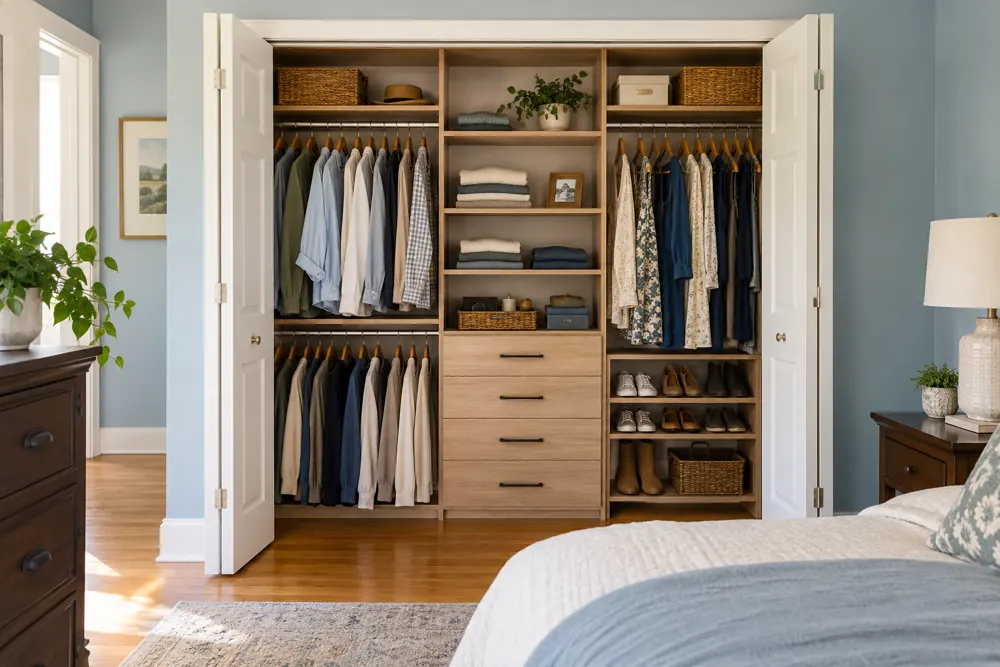
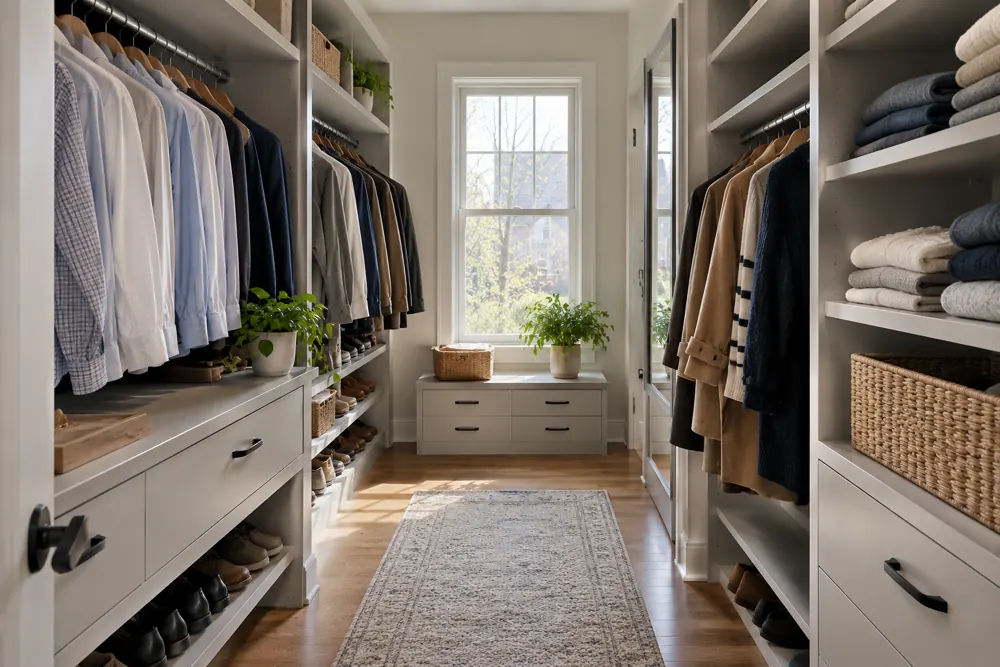
The best clue to a shoe-storage problem is often the group of pairs sitting outside the system. They may be too tall for a shelf, difficult to see, awkward to reach or simply used too often to put behind another object. Start with those pairs rather than copying a display wall from a photograph.
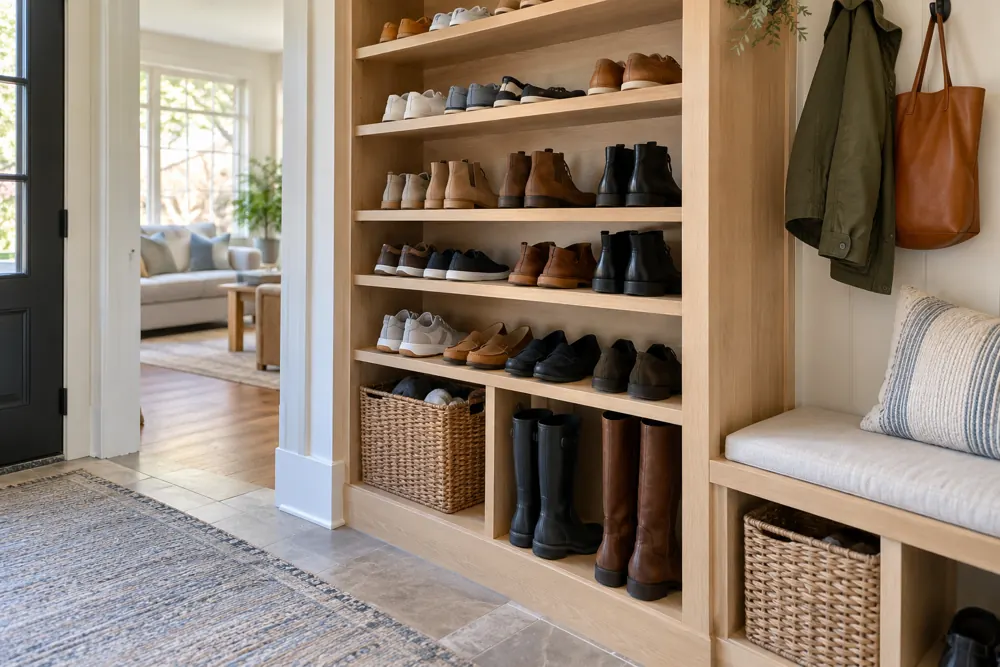
Group the collection by type and frequency of use. Everyday sneakers, formal shoes, ankle boots and taller boots do not all need the same spacing. A layout that acknowledges those differences can use the available room more effectively than a long series of identical shelves.
Keep everyday pairs easy to retrieve
Frequently worn shoes benefit from a convenient position near the part of the closet where you finish getting dressed. If retrieving them requires crouching behind a hanging garment or lifting another pair, the floor is likely to become the easier option again.
Visibility matters too. Deep shelving can hide shoes at the back, while an overly crowded row makes it hard to remove one pair without shifting the rest. Discuss the usable shelf depth and the actual shape of the shoes during design. Adjustable options can be useful when the collection changes.
Decide where seasonal and outdoor footwear belongs
Not every shoe needs to live in a bedroom closet. In a Chicagoland household, boots and wet-weather footwear may be more convenient near the entrance used most often. Keeping that category in a mudroom or entryway can free wardrobe space for clean everyday shoes.
Think about how footwear arrives home before choosing the storage. A bench may help with changing shoes, but its placement should support the route through the room. Allow a practical place for shoes that need attention before they join the rest of the collection. The aim is a usable routine, not a display that must stay untouched.
Take a few examples to the design conversation
A photo of the whole collection is helpful, but unusual shapes deserve their own note. Tall boots, large athletic shoes or bulky boxes can influence the layout.
- Separate daily pairs from occasional and seasonal footwear.
- Note the shoes that never fit the existing shelves.
- Check visibility from the position where you will use the storage.
- Plan a little flexibility instead of assuming the collection will remain unchanged.
Make it work in your home.
FG Home and Closets designs and installs storage from Aurora, Illinois. Share your room, priorities and ZIP code to start a free design consultation.
Explore custom closets Explore reach-in closets